Wild Flowers Papers Vol. 29: A Textured Design Collection
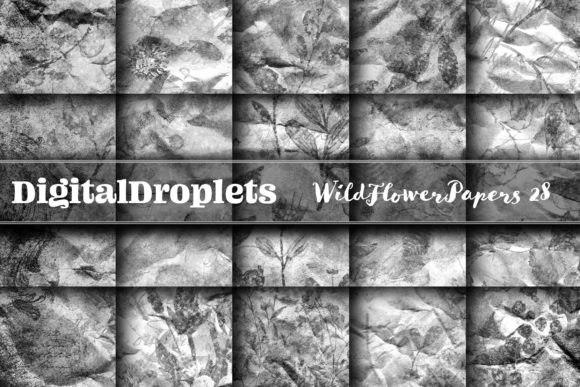
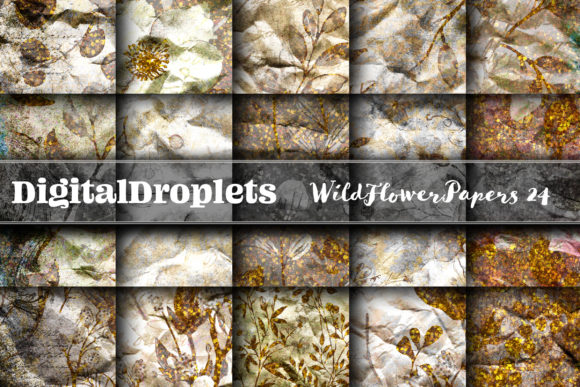
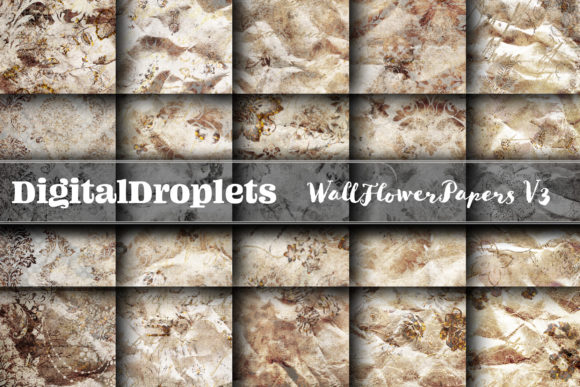
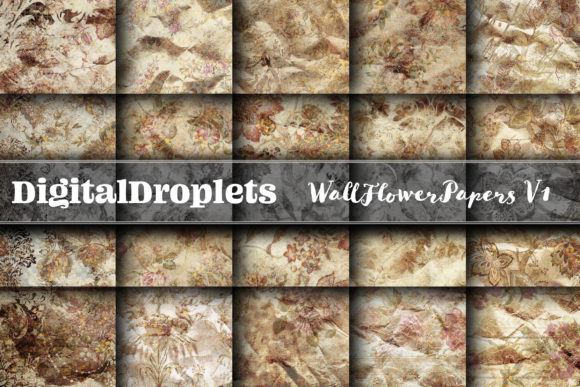
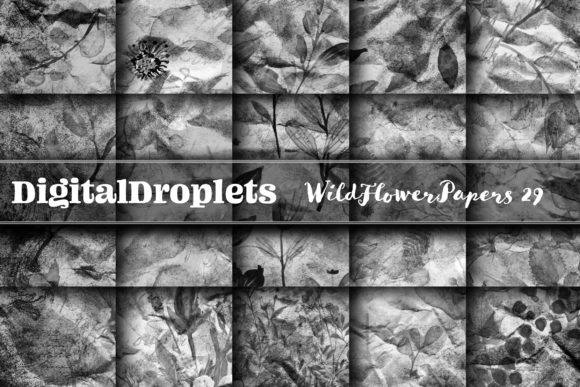
Elevate your next creative project with a foundation that blends vintage charm with modern versatility. The Wild Flowers Papers Vol. 29 | Collection offers a unique set of 10 high-resolution 12x12 papers, each featuring a rich crinkle texture, subtle glitter overlays, and delicate feather and flower patterns. These elements, combined with soft damask designs, create a sophisticated backdrop that immediately adds depth, visual interest, and a touch of whimsy to any composition. For graphic designers and creators, this collection provides a ready-made asset to establish mood and narrative in their work.
Understanding the Asset: More Than Just a Background
In professional graphic design, texture and pattern are foundational to creating effective visual communication. The Wild Flowers Papers Vol. 29 | Collection functions as more than decorative paper; it's a strategic design element. The subtle overlays and textured finishes contribute to a tactile, handcrafted aesthetic that can strengthen brand identity, particularly for businesses or projects aiming for a vintage, botanical, or artisanal feel. This asset helps solve the common design challenge of creating visual depth and character without extensive custom illustration.
Practical Applications Across Creative Disciplines
The true value of a versatile design asset lies in its adaptability. This paper set seamlessly integrates into numerous workflows, enhancing both digital and print projects. Consider its role in:
- Branding and Marketing: Use the papers as backgrounds for logo presentations, business cards, or brochure layouts to convey a specific brand personality—be it rustic, elegant, or eclectic.
- Digital and Social Media: Create engaging social media graphics, story backgrounds, or blog post headers that stand out in a crowded feed, improving user engagement through unique visual appeal.
- Editorial and Packaging Design: The subtle patterns and textures are ideal for magazine layouts, book covers, or product packaging design, where they can add a layer of sophistication and tactile suggestion.
- Personal and Commercial Projects: From junk journals and scrapbook pages to invitations, gift wrap, and planner stickers, these papers provide a professional-grade foundation for a wide array of creative projects.
Integrating Textured Assets into Your Design Workflow
When incorporating assets like the Wild Flowers Papers Vol. 29 set, thoughtful application is key to maintaining a polished and professional result. First, consider visual hierarchy. Use the textured paper as a background layer, ensuring that foreground elements like typography and logos have sufficient contrast and clarity for optimal readability. The subtle patterns should support, not compete with, your primary message.
Second, think about consistency and scalability. The 300dpi, 12x12 inch format ensures these assets are print-ready and scalable for various applications, from small tags to large poster prints. To build a cohesive brand identity, select a paper from the set that aligns with your established color palette and overall aesthetic, then use it consistently across related materials.
Finally, layer and blend with intention. In software like Photoshop or Illustrator, experiment with blend modes (such as Multiply or Soft Light) to integrate the texture seamlessly with other design elements. This technique allows the delicate damask and glitter details to enhance your composition organically, contributing to a unified and compelling design narrative.
In the landscape of modern design, the strategic use of high-quality creative assets is a significant efficiency booster and a catalyst for inspiration. Collections like Wild Flowers Papers Vol. 29 | Collection provide designers with the tools to quickly establish a desired mood, bridge the gap between concept and execution, and ultimately deliver projects with greater visual impact and professional polish. By making informed choices about foundational elements, you invest in the overall quality and effectiveness of your visual communication.