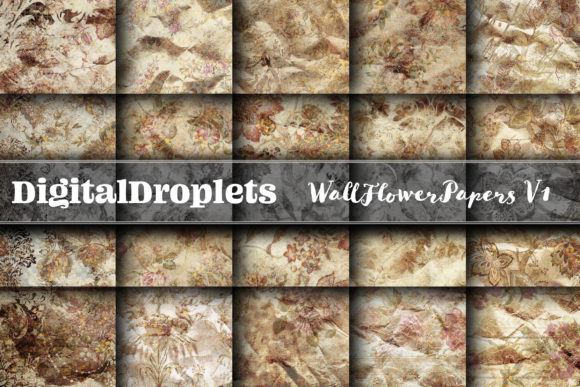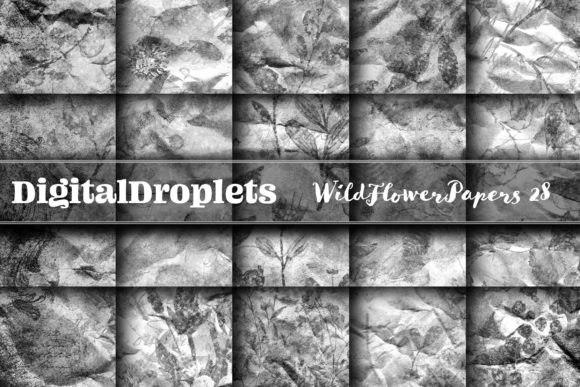
Wild Flowers Papers Vol. 28 | Collection: A Textured Design Asset
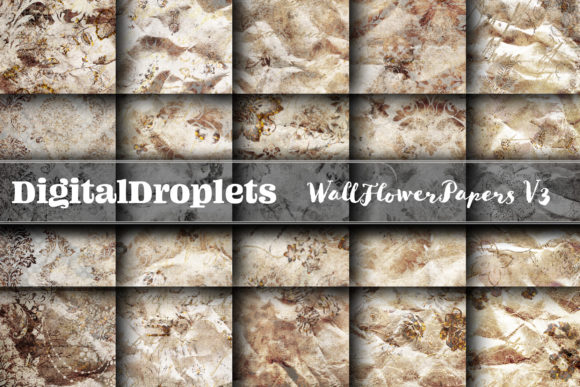
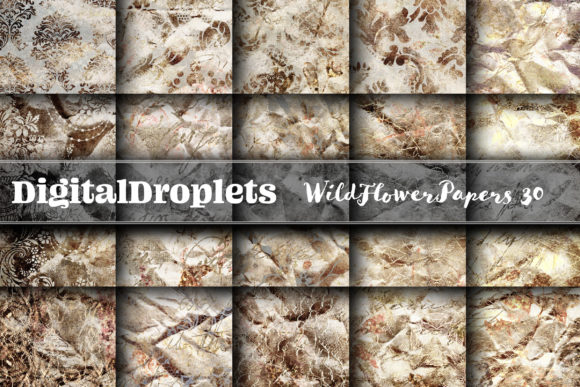
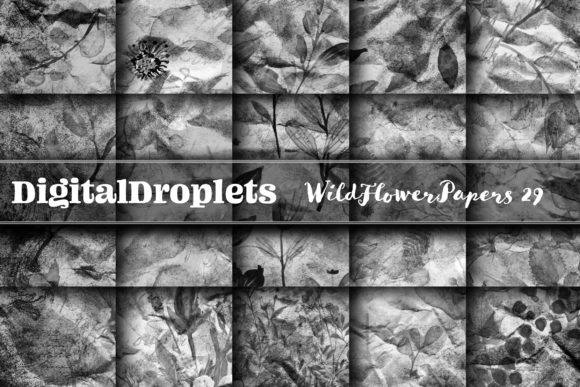
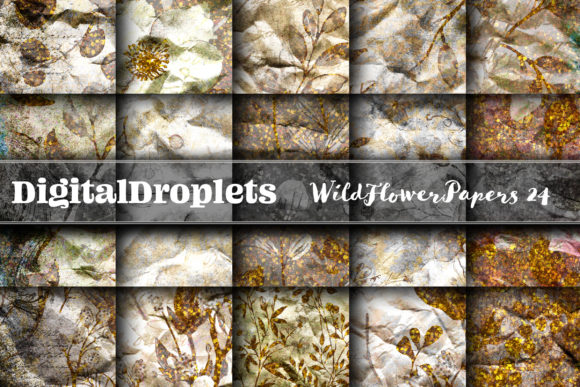
In the pursuit of creating designs that feel both tactile and timeless, the right background can transform a flat digital canvas into a rich, evocative experience. The Wild Flowers Papers Vol. 28 | Collection offers just such a transformation, providing a set of 10 unique 12×12 digital papers. This collection is meticulously crafted, layering crinkle-textured foundations with scattered glitter, delicate feather and flower motifs, and subtle damask patterns to achieve a sophisticated, vintage-inspired aesthetic.
The Role of Texture in Modern Visual Design
Texture is a fundamental element in graphic design that often operates on a subconscious level. It adds depth, realism, and emotional resonance, moving beyond flat color to suggest materiality and history. In an era dominated by clean digital interfaces, a well-placed texture can create a powerful point of contrast, guiding the viewer's eye and establishing a specific mood. For designers working on branding, packaging, or editorial layouts, incorporating textured assets like this collection is a strategic way to craft a more memorable and engaging visual narrative. It speaks to a desire for authenticity and craftsmanship, key components of a strong brand identity.
Practical Applications for Creative Projects
The versatility of the Wild Flowers Papers Vol. 28 | Collection makes it a valuable asset across numerous design disciplines. Its gothic and vintage leanings provide a distinct visual language suitable for a wide array of creative projects. Consider these practical applications:
- Branding & Logo Design: Use the papers as a textured backdrop for logos or brand marks, especially for businesses in the artisan, boutique, or heritage sectors. This adds a layer of sophistication to stationery, business cards, and brand style guides.
- Marketing & Social Media Graphics: Create standout Instagram posts, Facebook banners, or email newsletter headers. The intricate details ensure your visuals are scroll-stopping, while the cohesive set maintains brand consistency across campaigns.
- Editorial & Packaging Design: Ideal for book covers, magazine layouts, or product packaging for cosmetics, candles, or gourmet goods. The patterns provide instant visual hierarchy and a premium feel without overwhelming the core message.
- Digital Products & UI Elements: Beyond traditional print, these papers are perfect for designing unique website hero sections, blog backgrounds, digital scrapbooking kits, printable cards, washi tape strips, and planner stickers.
Integrating Textured Assets into Your Design Workflow
To maximize the impact of a resource like this, thoughtful integration is key. First, consider your project's visual hierarchy. A highly detailed background works best when paired with clean, bold typography and ample negative space to ensure readability. Think of the texture as a supporting actor, not the star. Second, evaluate color harmony. While the collection has its own palette, you can adjust the hue and saturation in software to match a specific brand color scheme, ensuring the asset feels custom-made. Finally, always test the design at the intended scale. A 12×12 inch, 300dpi file is perfect for high-resolution print projects like invitations or wall art, ensuring no detail is lost from screen to physical product.
Ultimately, the strength of a design lies in its details. Selecting high-quality, thoughtfully constructed creative assets is an investment in the clarity and effectiveness of your visual communication. Collections like Wild Flowers Papers Vol. 28 provide a foundation upon which designers can build worlds, tell stories, and create polished, professional work that resonates with its audience on a deeper level. By choosing assets that align with your project's emotional tone and functional needs, you elevate the entire creative outcome.